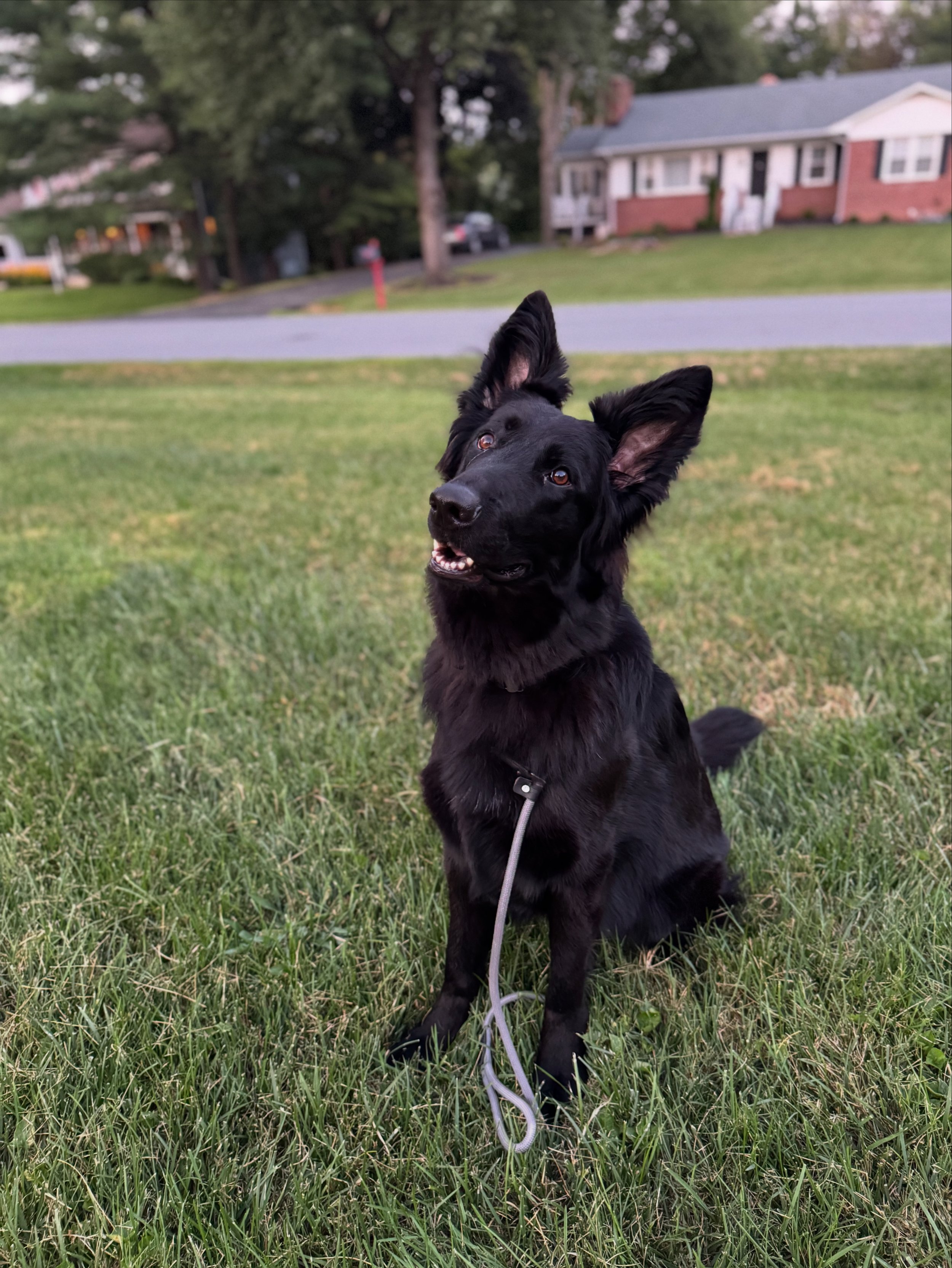
Ask Not What Your Dog Can Do for You

In President John F. Kennedy’s famous 1961 inaugural address, he urged Americans to “ask not what your country can do for you—ask what you can do for your country.” Though he spoke of civic duty, the sentiment carries power far beyond politics. It’s a call to shift our focus from taking to giving, from expectation to responsibility.
In the dog world, that same shift can be transformative. Rather than asking what dogs can do for us, perhaps we should ask what we can do for them.
It’s easy to think of dogs in terms of what they provide: companionship, laughter, sport, comfort, safety, but dogs are not here solely to meet human needs. They are living beings with emotions, drives, and biological requirements of their own. True guardianship begins when we recognize that our role is to serve their well-being first and foremost.
Trainer and behavior consultant Karishma Warr of Transform Behavior acknowledges that giving dogs personhood and autonomy rails against everything in our 21st century society. By acknowledging that our dogs are more than property, as the law dictates, we open a world of truths we must face.
Breeding vs. Adoption
Few topics spark as much discussion in the canine community as the question of where our dogs come from. Ethical breeders play a vital role in maintaining healthy genetics and sound structure in dogs bred for specific work or sport. When done responsibly with transparency, health testing, and a lifelong commitment to every puppy produced, breeding supports the continuation of stable, functional dogs.
Adoption, too, has tremendous value. Shelters and rescues are filled with incredible dogs waiting for another chance at a safe, stable home. Adopting can directly improve a dog’s life while challenging a larger system that too often fails them.
Neither choice is inherently right or wrong, but both require honesty and self-awareness. Whether purchasing from a breeder or adopting from a rescue, we should always ask: How does this decision serve the welfare of the dog, and am I prepared to meet the needs of the life I’m taking responsibility for?
Intent and Purpose
Why do we bring dogs into our lives? Is it for work, competition, therapy, companionship, or adventure? There’s nothing wrong with wanting a dog who fits our goals, but problems arise when our intentions don’t align with the dog’s needs.
A high-drive working dog will not thrive without meaningful outlets. A sensitive rescue may crumble under pressure to “perform.” When we pause to reflect on intent, we begin to see our choices through the dog’s perspective rather than our own. We must choose dogs for the lifestyle we currently have, not the one we desire.
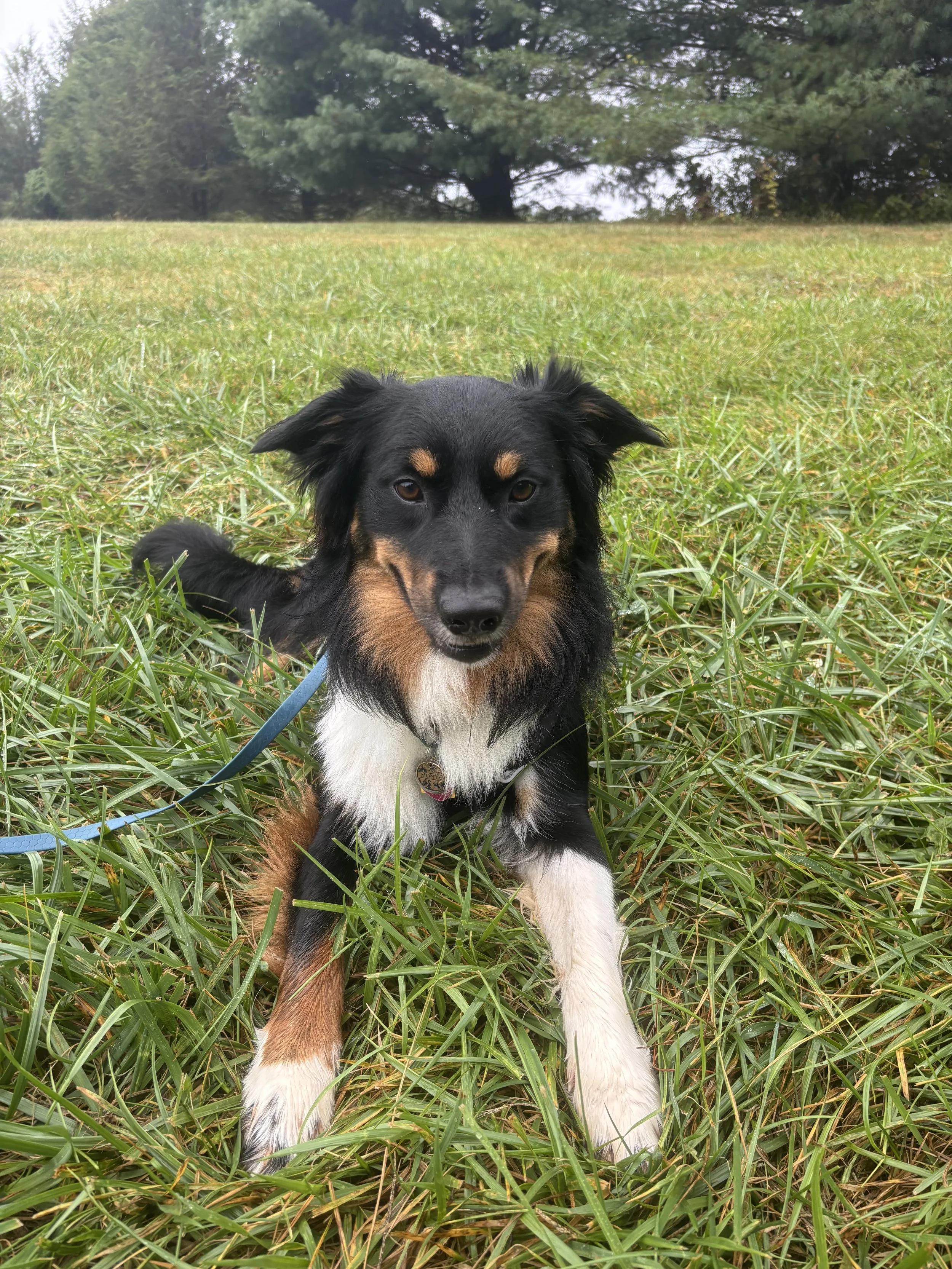
This mindset has become especially personal for me lately. My dog Monty and I have been training in agility and working hard to build drive, precision, and teamwork. It’s a sport we both love. However, recently, Monty began showing changes in his behavior and body that told me something wasn’t right. The old part of me wanted to push through, to “fix” the issue and get back to training, but the part of me that’s learned to prioritize welfare over progress knew better.
We’ve put agility on hold. Instead, I’m focusing on his comfort, health, and mental enrichment while we sort out what he needs. Agility will still be there when he’s ready. But Monty’s welfare—the way he feels day to day—is what truly matters. I’m still learning that sometimes, putting training goals aside is the most meaningful form of partnership there is.
Responsibility and Care
Once a dog enters our life, their well-being depends almost entirely on us. That responsibility goes far beyond love: it includes nutrition, veterinary care, socialization, enrichment, and training that builds confidence rather than fear.
Training should be communication, not control. Exercise should support physical longevity, not exhaustion. Rest should be recognized as an active and essential part of recovery, especially for performance dogs. Meeting a dog’s needs isn’t about perfection, but rather, it’s about paying attention. I tell my clients that we use the word “cue” instead of the traditional word “command” because when our dog does not perform as we expected, we don’t want to take it as disobedience, rather, more information. Rather than commanding them to sit, we are asking them “can you sit right now?” in a single word.
For Monty, this pause has reminded me how deeply “rest” can contribute to resilience. His days are now filled with structured crate rest, short decompression walks, gentle mobility work, and plenty of quiet connection. We have a veterinary appointment on the books and are taking things slow. These periods of rest and reflection are as much a part of training as the sessions themselves, as they give his body time to heal and his mind space to settle.
As trainers and guardians, our responsibility is not simply to shape behavior or improve performance. It’s to help dogs live balanced, healthy, fulfilling lives that respect their nature as dogs.
Open-Ended Reflection
If we reframe the question and if we stop asking what can my dog do for me and start asking what can I do for my dog, how might that change our day-to-day choices? Would we slow down? Rest more? Approach training with more empathy and less urgency?
Would we view crate rest as a gift rather than a punishment? Enrichment as nourishment rather than entertainment?
The answers will look different for everyone, but the reflection matters. Dogs do not exist to meet our goals; they exist with needs, desires, and emotions of their own. Our task is to honor that truth in the choices we make.
Conclusion
Dogs endlessly give us love, effort, forgiveness, and devotion. The least we can do is meet that generosity with responsibility and respect. Whether we’re training for sport, managing recovery, or simply sharing our lives with them, our guiding question should always be: What does my dog need from me right now?
That question reshapes everything from how we train to how we rest, from how we feed and to how we listen. It leads us toward welfare-based, species-specific care—the kind that doesn’t just create good dogs, but healthy, fulfilled ones.